Specialist Sports Injury Care in Norwich
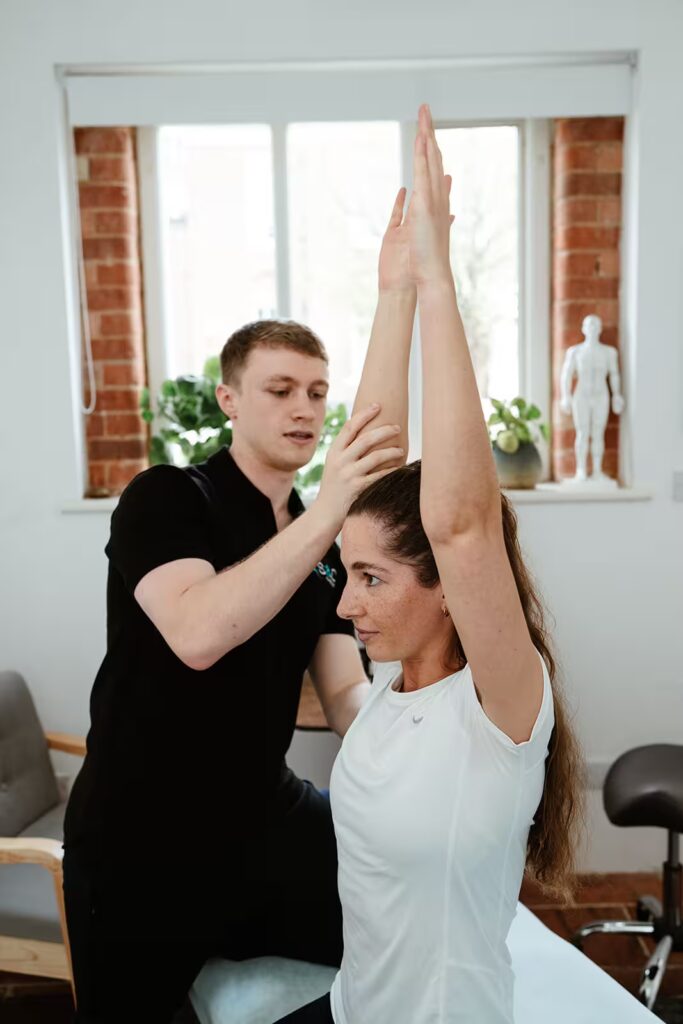
Injuries can stop more than just training, they affect confidence, performance, and momentum. Whether you’ve been sidelined by a sudden injury or are dealing with ongoing pain, we’re here to help you recover faster, move better, and return to the sport or activity you love.
At S&C Therapy we don’t just treat the injury. We rebuild strength, restore confidence, and focus on lasting results so when you return, you’re not just back… You’re ready.
Understanding Sports Injuries
Dealing with an injury can leave you unsure whether to push on or take a step back. It’s frustrating when you’re not performing at your best and even more so when you’re worried that continuing could make things worse.
That uncertainty is something we see every day, and it’s exactly why proper assessment and guided recovery matter.
“Having played rugby for years, I’ve been sidelined by injuries more than once. I know how frustrating it is to be kept from the sport you love – missing out on team selection and feeling disconnected from your friends and teammates.
That’s exactly why I’m passionate about physiotherapy and sports injury rehabilitation. I’m here to help you recover properly, move with confidence, and get back to doing what you enjoy.”– Charlie
How Can We Help With Sports Injuries?
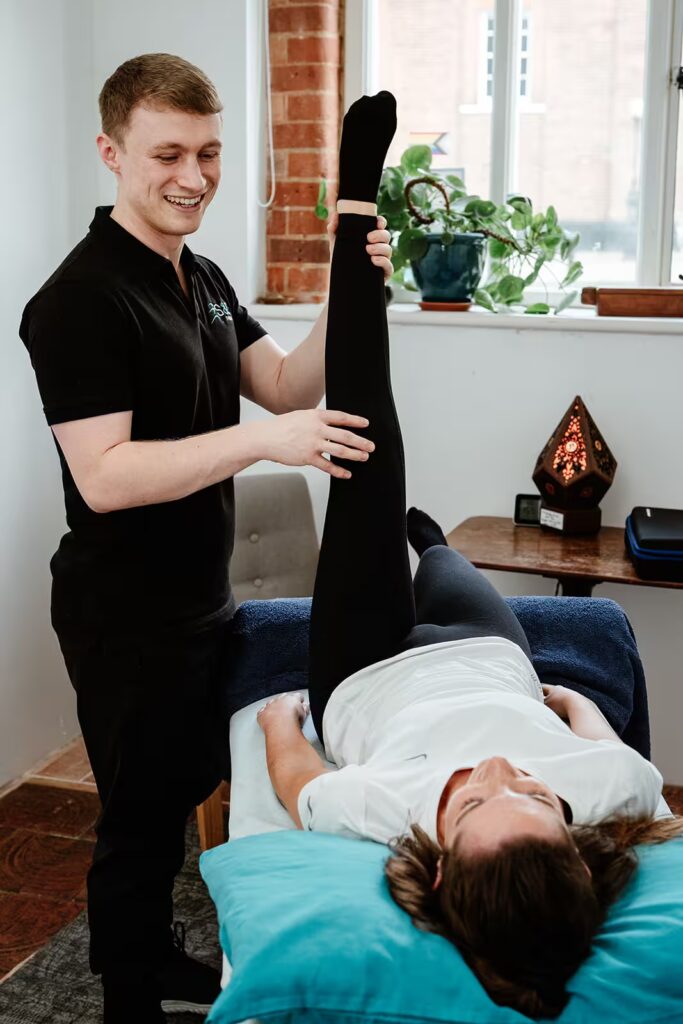
We specialise in diagnosing, treating, and rehabilitating sports injuries – whether they’re new, recurring, or long-standing. Every step of your care is tailored to what your body and sport truly need.
Assessment & Performance Analysis
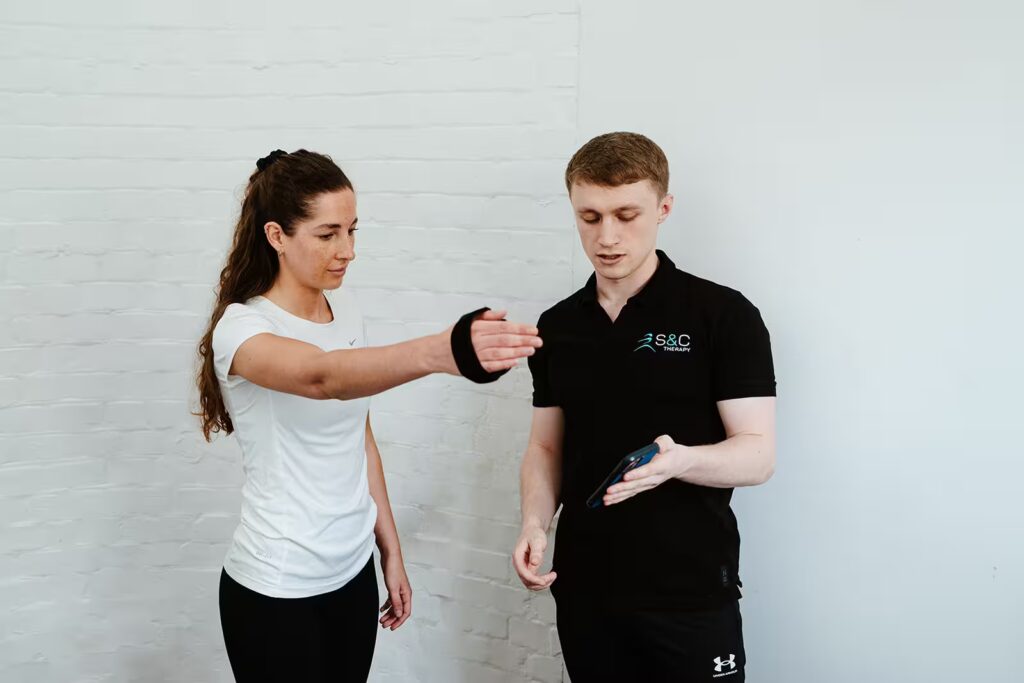
Advanced testing and movement analysis can help us pinpoint the cause of your pain or performance limits, not just the symptoms. Tools that we use include: VALD force plate testing, RunEasi wearable running assessment technology, video gait and movement analysis, objective strength testing and biomechanical assessments.
Treatment Techniques
We select only the techniques that are relevant for you, combining evidence-based therapies with active rehab to reduce pain, restore movement, and speed up recovery. Options include shockwave therapy, acupuncture, dry needling, hands-on soft tissue treatment, joint mobilisation, and vibration therapy.
Recovery & Return-to-Sport
Our goal is not only to help you heal, but to prevent future recurrence of injuries, ensuring you can safely return to the sport or activity that you love. Follow-ups can be booked during your appointment to ensure you have a coherent rehabilitation plan.
Treatment May Include
Your treatment plan is tailored to your injury and goals. We only use techniques that are relevant to your recovery, combining evidence-based therapies with active rehabilitation to reduce pain, restore movement, and accelerate healing.
Techniques may include:
- Shockwave therapy
- Acupuncture & dry needling
- Manual therapy to reduce pain, swelling and tension
- Vibration therapy
- Expert education around recovery, injury prevention, and performance
You’ll receive a personalised recovery plan via email, along with clear guidance to support your rehab. Whether this is at home, in the gym or in a sporting environment.
To help you stay on track, follow-up sessions can be arranged on the day of your appointment – giving you the chance to check in, fine-tune your plan, and make sure your recovery keeps pace with your goals. These sessions are here to support your return to sport safely, confidently, and at the right time for you.
Common Sports Injuries Include
-
Shoulder Injuries
The shoulder is prone to injuries due to its high mobility. Common injuries include dislocations, muscle or tendon injuries, and labral tears. Physiotherapy helps to restore movement, strength, control, and prevent long-term issues. -
Knee Injuries
Knee injuries, such as ACL tears, meniscus tears, and patellar tendinitis are common in sports. These injuries can cause pain and instability. Early diagnosis by a Physiotherapist is essential for effective treatment and rehabilitation. -
Ankle Sprains
Ankle sprains are one of the most common sports injuries, typically caused by twisting or rolling the ankle inwards. They can result in ligament damage, swelling, and pain with weightbearing and movement. Early management is critical for a full recovery, smooth return to sport and to avoid recurrent injury which can lead to chronic ankle instability. -
Achilles Tendon Injuries
The Achilles tendon can become inflamed or damaged due to sudden increases in activity or poor biomechanics. It can also be injured in activities like accelerating or sprinting. Achilles tendon pain can be debilitating and requires careful Physiotherapy treatment for recovery. -
Lower leg
Shin splints are common in runners, hockey players, dancers and football players. They can occur from sudden increases in activity or changes in movement patterns, poor ankle mobility or changes in energy/nutrition, and cause pain along the shinbone. A Physiotherapist can help address the underlying causes and prevent further injury.
Get back to your best with sports injury treatment in Norwich
If you’re ready to be your best self, book your initial consultation online at either of our two clinics in Norwich and Norfolk