
Sciatica
Ease nerve pain and move freely again. Expert physiotherapy in Norwich and Norfolk for sciatica and related leg pain.
Sciatica rarely settles just by waiting it out. The longer irritated nerve pain goes untreated, the more it can affect how you walk, sit and sleep. With the right assessment and a targeted plan, most people see a real reduction in pain and a return to normal movement.
What is sciatica and what causes it?
Sciatica describes pain that travels along the path of the sciatic nerve, from the lower back through the buttock and down the back of the leg. It is a symptom rather than a diagnosis in itself, usually caused by irritation or compression of a nerve root in the lower spine. Common causes include a bulging or herniated disc, spinal stenosis, tight muscles deep in the buttock (piriformis syndrome), or degenerative changes in the lower back. Pregnancy, prolonged sitting and heavy or repetitive lifting can also contribute.
Common sciatica symptoms
Sciatica typically causes pain, numbness, tingling or a burning sensation that runs from the lower back or buttock down one leg, sometimes as far as the foot. Symptoms often worsen with sitting, coughing or bending, and can range from a mild ache to sharp, shooting pain that limits everyday movement.
When sciatica needs urgent medical attention
Most sciatica settles well with the right physiotherapy care, but a small number of cases need urgent medical assessment. Seek emergency care straight away if you notice numbness around your groin or buttocks, sudden loss of bladder or bowel control, or worsening weakness in both legs. These can be signs of cauda equina syndrome, a rare but serious condition that needs same-day hospital assessment. In line with NHS guidance, we will always refer you on immediately if we see any of these warning signs during your appointment.
What treatment do we suggest for sciatica?
Every treatment plan starts with a thorough assessment to understand what is driving your symptoms. Depending on what we find, this might include:
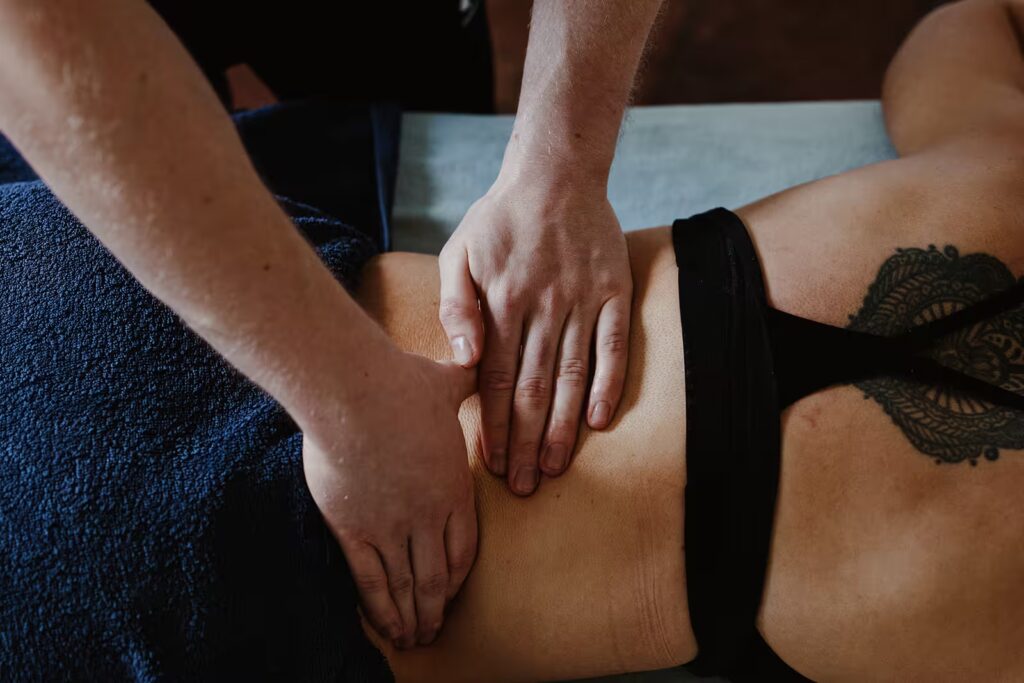
- Hands-on manual therapy to ease muscle tension and improve movement in the lower back and hip
- Nerve mobility (neural glide) exercises to reduce irritation along the sciatic nerve
- A personalised, progressive exercise programme to build strength and support the spine
- Acupuncture or dry needling to help manage pain
- Postural and ergonomic advice for sitting, driving and lifting
- Education so you understand what is happening and how to manage flare-ups yourself
What to expect from your first appointment
Your initial assessment includes a detailed conversation about your symptoms, how they started and what makes them better or worse, followed by a physical examination to identify the source of your pain. We will explain what we find in plain terms, agree a treatment plan with you, and give you exercises to start at home. Follow-up sessions are scheduled around your progress and your diary.
No two cases of sciatica are the same, and neither are our treatment plans. We take the time to understand your symptoms, your lifestyle and what you need to get back to, whether that is sport, work or simply a full night’s sleep, and build a plan around you rather than a generic protocol.
No two cases of sciatica are the same, and neither are our treatment plans. We take the time to understand your symptoms, your lifestyle and what you need to get back to, whether that is sport, work or simply a full night’s sleep, and build a plan around you rather than a generic protocol.
FAQ - Common Patient Questions
What does sciatica feel like?
Sciatica usually feels like pain, tingling, numbness or a burning sensation running from the lower back or buttock down one leg. It can range from a dull ache to sharp, shooting pain, and often affects only one side.
How long does sciatica take to heal?
Recovery varies from person to person. Many people notice improvement within a few weeks with the right treatment and activity advice, while more persistent cases can take longer. An assessment helps us give you a realistic timeframe based on your specific symptoms.
Should I rest or stay active with sciatica?
Complete bed rest is rarely helpful and can slow recovery. Gentle, guided movement is usually more effective. We will show you which movements to avoid in the early stages and which ones support your recovery.
Do I need a GP referral to book a sciatica assessment?
No referral is necessary. You can easily book an appointment directly with our clinic to begin your evidence-led treatment journey.
What is the difference between sciatica and general back pain?
Back pain stays in the lower back, while sciatica involves pain that radiates from the lower back or buttock down the leg due to irritation of the sciatic nerve. The two can occur together, and an assessment will confirm exactly what is causing your symptoms.


